


Running an organization with fifteen thousand people does not become easier because the CEO has discovered a new philosophy about wealth.
Sultan Sobhi Batterjee is clear about that.
The demands remain real. Standards still matter. Large-scale projects still require discipline, accountability, and constant execution. Partners including Four Seasons, Marriott, and Red Sea Global do not lower expectations because a leader has become more interested in questions of purpose and fulfillment.
What changed for Sultan was not the difficulty of the work.
It was the place he was leading from.
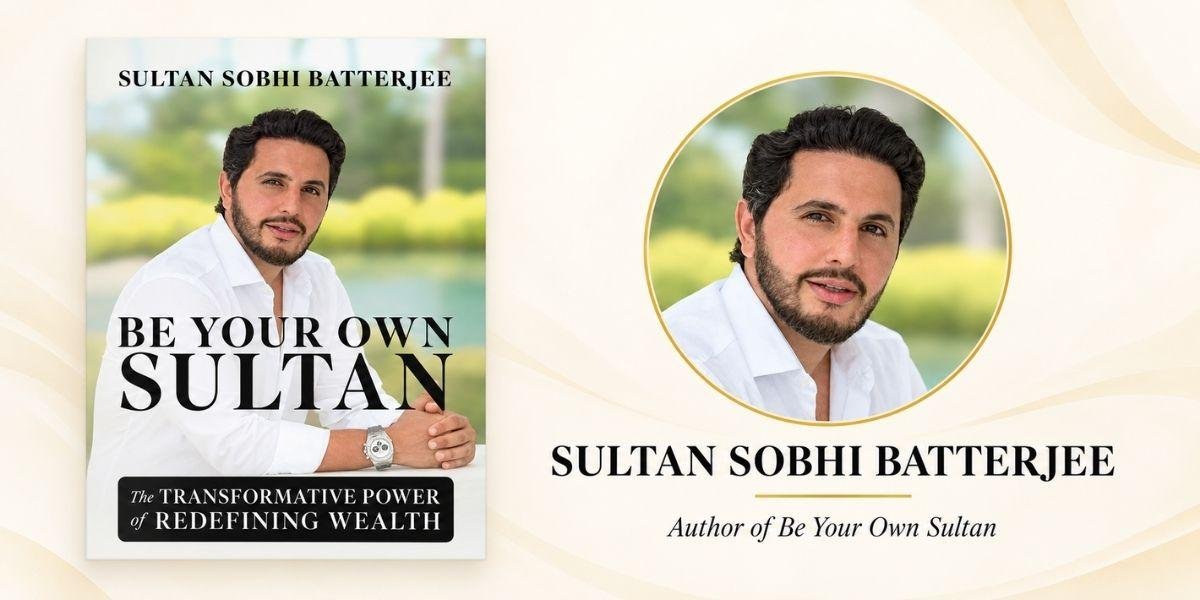
In Be Your Own Sultan: The Transformative Power of Redefining Wealth, Sultan describes a shift away from managing through scarcity and fear toward something he considers more sustainable: purpose, passion, persistence, and gratitude.
The surprising part is that he says the change made him tougher on standards, not softer.
The Three Ps
Sultan built three ideas into the way he thinks about leadership at IHCC: purpose, passion, and persistence.
Purpose answers why the work matters.
Passion gives people a reason to care beyond simply finishing another project.
Persistence is what keeps standards intact when the work becomes difficult.
For Sultan, those ideas only became credible once he stopped thinking of business success as something that had to constantly prove his personal worth.
Earlier in his journey, achievement carried a different emotional weight. There was always another goal to hit, another standard to meet, another reason to keep moving.
Over time, that mentality produced significant external success.
It also produced a moment when Sultan found himself alone in his office, surrounded by awards, realizing that the life supporting the achievements had become far thinner than he wanted to admit.
Fear Changes the Room
Sultan says his teams now experience him differently because he does not lead from the same sense of scarcity.
That does not mean avoiding pressure.
A fifteen-thousand-person company cannot run on positive thinking alone.
His point is more specific. When a leader operates from constant fear of losing what has been built, that anxiety influences decisions, conversations, and the atmosphere around the organization.
People feel it.
Sultan believes gratitude creates a different kind of intensity. He can still demand excellent work, but the demand comes from respect for what the team is building rather than panic about what might go wrong.
That distinction may sound emotional, but at scale, emotional tone becomes operational.
The way the CEO enters a room can travel far beyond that room.
Inner Wealth Does Not Mean Lower Ambition
One of the easiest ways to misunderstand Sultan’s message is to assume that redefining wealth requires becoming less ambitious.
His career makes that interpretation difficult to sustain.
Sultan remains involved across construction, healthcare, education, real estate, hospitality, environmental sustainability, and investment. He continues building large projects and thinking about long-term growth.
The difference is that business is now one wedge in a larger definition of wealth rather than the entire thing.
That changes the role success plays.
Business achievement can be meaningful without being asked to provide identity, family connection, health, friendship, peace of mind, and every other form of fulfillment simultaneously.
Building Places for Human Beings, Not Just Assets
The philosophy has also influenced the way Sultan thinks about real estate through Lifestyle Developers.
A house can be built efficiently.
A place where a family actually wants to gather is harder.
A neighborhood can be filled with units while still failing to create community.
Sultan now looks at physical environments in much the same way he looks at his Wealth Pie. A full life needs room for more than one thing.
That is why shared spaces matter in the developments he describes. Community is not something to add at the end as an amenity. It is part of the purpose of the project.
His hospitality thinking follows a similar logic. Comfort matters, but he wants guests to leave feeling that the time itself was well spent.
Standards and Humanity Can Coexist
Sultan’s leadership philosophy is ultimately built around a tension many executives struggle with.
How do you demand more without allowing work to consume everything?
How do you build aggressively without managing from fear?
How do you remain ambitious without turning every achievement into evidence of your personal value?
Sultan does not claim those questions are easy.
His own journey toward answering them took years.
But he no longer believes leaders have to choose between performance and an internally wealthy life.
If anything, he believes the quality of leadership improves once success stops being driven by fear of not having enough.
For leaders interested in building success from purpose rather than scarcity, Be Your Own Sultan by Sultan Sobhi Batterjee is available now on Amazon.