


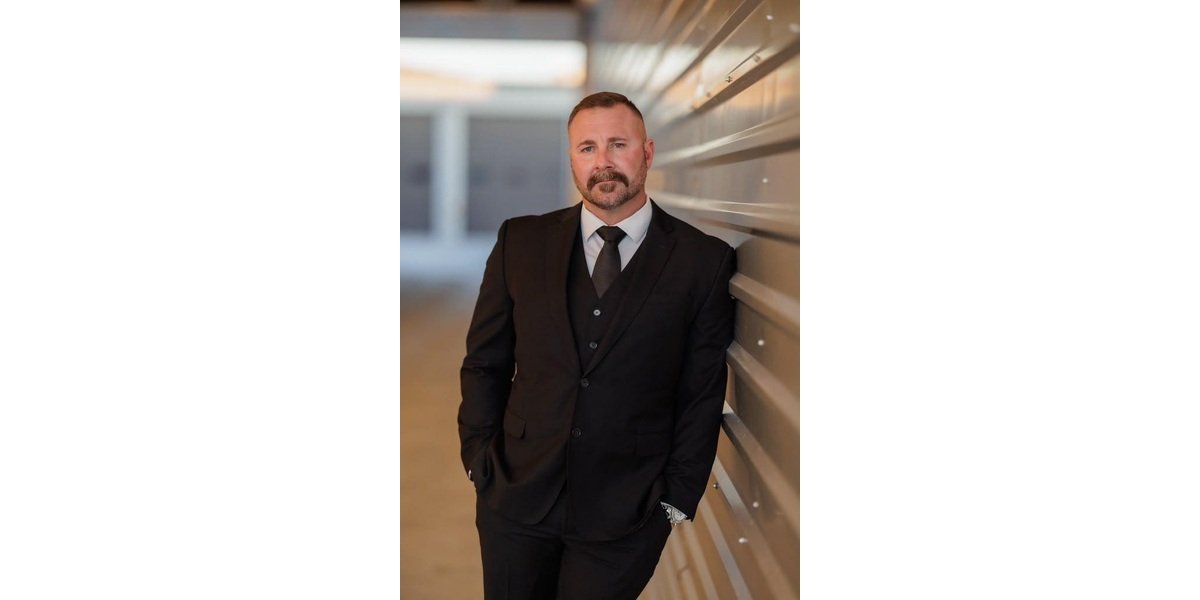
Real estate developer Ryan J. Garland says the financial crisis reshaped the way he thinks about wealth, replacing an early focus on growth and momentum with a greater emphasis on liquidity, ownership, equity and long-term financial durability.
Ryan J. Garland has spent much of his career in real estate. He began in civil engineering and later moved into mortgages, distressed real estate, lending and development.
Over those years, he has seen plenty of large numbers, and he is careful not to confuse them with financial strength. In fact, one of the central lessons of his career has been that big figures do not necessarily tell the full story.
Earlier in his career, Garland viewed wealth through a different lens. Growth was measured by how much business was being done, how quickly opportunities were moving and how aggressively he could expand. The financial crisis of 2008 forced him to reconsider those assumptions.
“Looking successful and being financially durable are not the same thing,” Garland said.
Today, Garland says he pays far more attention to what sits beneath the surface: how much equity is actually present, how much debt is attached to an asset, how much cash an owner has available and whether the whole arrangement can survive if market conditions deteriorate.
How 2008 Changed His View of Wealth
The financial crisis became one of the defining periods of Garland’s career.
As credit tightened and property values declined, he watched businesses and people who had appeared financially strong suddenly struggle under the weight of debt and refinancing pressure. At the same time, Garland had a newborn son and a family depending on him, making the period both professionally and personally significant.
“The 2008 financial crisis had the greatest influence on the leader I became,” Garland said. “I experienced what happens when leverage, liquidity, confidence and market structure all change at once.”
Rather than leaving the real estate industry, Garland moved deeper into distressed real estate and workouts.
That experience gave him a close look at what happens when a seemingly successful property loses access to credit, or when the debt attached to it becomes more important than the property itself.
Garland came away from that period with a much more conservative view of borrowing. He still believes debt can be a useful tool, but he no longer sees it simply as a way to buy more or grow faster.
“The crisis taught me that leverage can make you look wealthier before it makes you more vulnerable,” Garland said.
Equity and Liquidity Became More Important Than Size
One of Garland’s biggest lessons from 2008 was that the headline value of what someone owns can create a misleading picture of wealth.
Two people may each control a property worth millions of dollars, but their financial positions can be completely different depending on how much debt is attached to those properties, what that debt costs and how much cash they have to carry the property through difficult periods.
Garland now focuses much more heavily on equity and control.
A smaller asset owned on solid footing may ultimately be worth more than a larger one financed aggressively. Likewise, an owner with enough cash on hand may be able to protect a sound property during a downturn, while someone who is overextended may be forced to sell at the worst possible time.
For Garland, liquidity is not simply money sitting unused. It is flexibility. It can prevent forced decisions, carry an owner through a temporary disruption and create room to act when others are under pressure.
Moving From Transactions to Ownership
Garland’s definition of wealth also changed as his career moved from transaction-oriented work into ownership and development.
In lending and other transaction-driven businesses, revenue can be tied heavily to volume. A successful year may produce significant income, but that income does not automatically translate into durable wealth.
Ownership requires a different mindset.
An owner has to think about construction costs, debt payments, operating expenses, customer demand, maintenance and the long-term value of the property. Those decisions unfold over years rather than weeks or months.
Garland says the shift made him more patient.
Instead of focusing on how quickly something can pay off, he increasingly asks whether it can create lasting value and whether the owner keeps meaningful control over the outcome.
“Risk is the possibility of permanent capital loss or losing control of the outcome,” Garland said.
That definition has become central to how he makes decisions.
Temporary price movement does not concern Garland nearly as much as an arrangement that leaves an owner dependent on refinancing, rising prices or perfect market conditions.
The Difference Between Income and Wealth
Garland also draws a clear distinction between earning money and building wealth.
A business can produce significant revenue while spending just as much. An entrepreneur can generate a high income without building meaningful equity. Someone can also maintain an expensive lifestyle that gives the appearance of wealth while reducing long-term financial flexibility.
For Garland, sustainable wealth is built when income is turned into ownership and retained value.
That may include equity in real estate, ownership in operating businesses or cash reserves.
The key, he says, is paying attention to what is being kept rather than simply what is being earned.
As Garland’s career progressed, that idea became increasingly important. He began thinking less about how quickly he could expand and more about whether growth was strengthening his financial position or simply increasing his exposure.
Why Durable Assets Matter
Garland’s preference for durable assets now shapes the way he approaches development.
His work has ranged from large-format storage to residential and lifestyle-oriented projects, but Garland says the same fundamentals apply regardless of the concept.
There must be real demand.
The land price must make sense.
Construction costs have to remain supportable.
The debt needs to leave enough flexibility to absorb delays or changing market conditions.
And the project has to work without assuming that everything will go perfectly.
“I would rather own something durable at a sound basis than own something impressive that requires perfect conditions,” Garland said.
That philosophy was shaped directly by his experience during periods when credit became scarce.
A property that maintains demand and holds up through a changing environment may offer more long-term value than a more glamorous one built on optimistic assumptions.
For Garland, durability is not about avoiding risk altogether. It is about understanding where the risk sits and setting things up so that one unexpected event does not destroy the entire outcome.
Patience Became Part of the Strategy
Garland also says he has become more patient over time, although he is careful not to confuse patience with stubbornness.
Holding on through temporary market volatility can be valuable when the original reasoning still holds. Continuing to pour money into a project that no longer works is something else entirely.
One lesson Garland says he would give his younger self is to become more disciplined about walking away from people, projects and business lines when the facts no longer support the original decision.
Sunk costs can become dangerous when they begin influencing future decisions more than current information.
“You have to be willing to change direction when the facts change,” Garland said.
That willingness to adjust is part of how he now thinks about preserving wealth.
Looking Successful Versus Building Lasting Value
Garland’s changing definition of wealth also affects how he views visible signs of success.
An expensive home, a luxury vehicle or a high-profile purchase can communicate success from the outside, but Garland says those things reveal very little about the owner’s actual financial position.
What matters more is what sits behind them.
How much equity exists?
How much debt is involved?
What are the ongoing carrying costs?
Does the asset create cash flow or consume it?
And does owning it increase or reduce financial flexibility?
Garland does not believe wealth requires avoiding luxury or visible success. His point is that appearances should not be mistaken for financial durability.
That distinction became much clearer after watching what happened during the financial crisis.
What Wealth Means to Ryan Garland Today
Garland no longer defines wealth solely by income, deal volume or the market value of what someone owns.
Today, his definition includes liquidity, ownership, equity and the ability to stay in control when conditions become difficult.
It also includes having enough patience to make decisions based on long-term value instead of short-term pressure.
That does not mean Garland has become less ambitious.
He continues to pursue new development work and remains focused on growth. What has changed is how he wants that growth to be built.
“Experience did not make me less ambitious,” Garland said. “It made me more specific about where risk belongs.”
That may be the clearest summary of how his view of wealth has evolved.
Earlier in his career, success was often associated with how quickly things were growing. Today, Garland is more interested in whether that growth creates something that can last beyond the next deal or market cycle.
For him, lasting wealth is ultimately less about what a person appears to control and more about what that person can continue to own when conditions are no longer easy.