


By: Curious Fortune Media
Why a Balloon Installation at a Gala Isn’t Just Decor Anymore
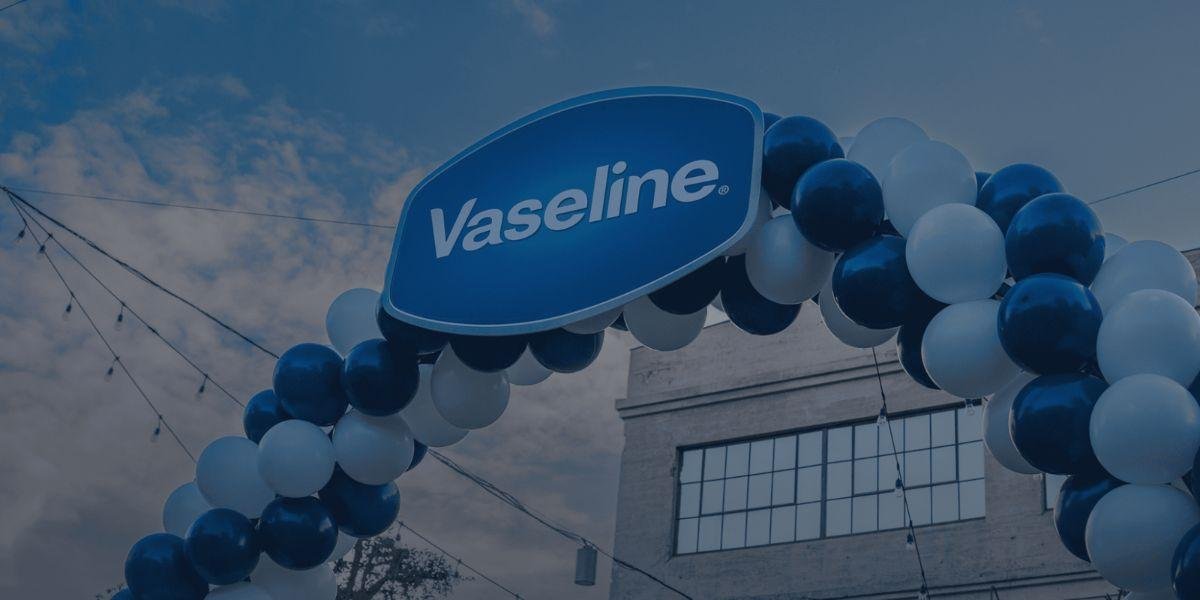
A guest at a nonprofit gala leans into a balloon backdrop for a photo, framed in one sponsor’s exact shade of blue, and never clocks that the shot was engineered that way. Nobody told them to notice. A printed banner never gets that kind of attention. For years, a corporate sponsor’s involvement in a gala meant a logo on a step-and-repeat and a mention from the podium, both easy to arrange and easy to ignore. A balloon installation at a gala isn’t just decor chosen to look nice under the string lights anymore. Guests walked past it without a second glance. It’s become a deliberate tool for gala sponsor visibility, built to get photographed rather than just glanced at on the way to the bar. That’s a real shift in event sponsorship visibility, not just in what sponsors expect. And it’s changed what a nonprofit’s balloon vendor is now expected to deliver, not just what looks nice under string lights. Social media didn’t invent that expectation, but it made it impossible to ignore. This is where that shift actually plays out, section by section, starting with why sponsors stopped settling for a banner.
Why Sponsors Want More Than a Logo on a Banner

Sponsors used to settle for a name printed on a program or projected on a slide before dinner started. That got their name in front of a room for maybe ten seconds, if anyone was actually reading the program instead of chatting with their table. One event-strategy resource puts the shift plainly, move beyond the program and the slide deck. That’s no longer enough. Nonprofits feel that pressure too, since a sponsor who doesn’t see results tends not to renew. A modern sponsor activation is judged by what guests actually photograph and post, not by what got printed in a booklet nobody rereads. Sean Edwards, Founder of The Balloon Guy, has watched that shift happen firsthand. “Sponsors don’t call me asking for their logo on a sign anymore,” Edwards said. “They ask what color their brand can show up in, and where guests are actually going to stand and take a picture.” It’s a business question now, not a courtesy request. That question, where exactly are people going to stand and point their phone, has quietly become the whole creative brief. It’s a smaller question than it sounds, and it changes almost everything downstream.
How Sponsor Branding Gets Built Into the Installation Itself
The mechanics of that brief are fairly simple once you see them. It starts with color, moves into placement, and ends with timing. Not by accident. A branded balloon installation starts with the sponsor’s actual brand colors, not a generic palette chosen to look festive. From there, it moves into placement: an entrance arch guests have to walk through, or a backdrop positioned exactly where the photographer already planned to stand. Neither element is subtle, and neither is meant to be. In Los Angeles, Sean Edwards, The Balloon Guy, builds that placement into the design from the sponsor’s first call, well before the color palette gets finalized. That timing matters more than people assume. A design finalized first and branded second usually looks like an afterthought stitched onto something that was never built for it. Building it in from the start avoids that problem entirely.
Keeping the Sponsor Visible Without Overshadowing the Cause

Visibility has a ceiling, though, and a good balloon designer knows exactly where it sits. Too much branding turns the room into a trade show. A gala exists to raise money for a cause, not to launch a sponsor’s next campaign. One sponsorship-industry resource frames the standard well: when sponsor messages blend naturally with the event theme, the result feels genuine. Edwards treats that line as a design constraint, not a suggestion. “A sponsor’s colors can frame the room without becoming the room,” Edwards said. “The moment the branding gets louder than the reason everyone’s actually in the room, we’ve overshot it.” That restraint is deliberate, and it’s exactly what keeps a sponsor’s presence from reading as an intrusion. Guests notice the difference, even if they can’t name it. That instinct, even unspoken, is exactly what a sponsor is paying for. It’s a quieter kind of return than a giant logo, but it tends to last longer.
Why Sponsor Visibility Now Shapes Gala Design
None of this happened because balloon designers decided sponsors needed more attention. It happened because sponsors started asking for it, and the design caught up to the demand. Balloon designers who ignored that shift simply stopped getting the call for gala work. The ones who adapted built an entire design specialty around exactly that shift in what sponsors expect from a single gala appearance. A nonprofit planning its next gala doesn’t need to guess at any of this. It can ask its balloon vendor directly how sponsor branding actually gets built into the design, rather than assuming it gets added on afterward. That single question tends to separate a vendor who’s thought this through from one who hasn’t. Edwards holds the NGLCC certification, a credential that matters to the corporate sponsors and foundations who increasingly vet vendor diversity before signing off on a gala’s design partner. That’s one more reason it shows up on a vendor short list. The banner nobody photographs is already on its way out.