


Indie music began as a practical response to limitations in the mainstream music industry. Artists who lacked access to major record labels found ways to record and share their work independently. Over time, this approach became more than a method—it became a movement. The cultural impact of indie music can be seen in how it shaped creative expression, supported local identity, and influenced broader social values.
This explores how indie music emerged, how it connected with communities, how it shaped emotional and social themes, and how it continues to influence cultural habits.
How Independence Encouraged Creative Freedom
Indie music is short for “independent music.” It refers to music produced outside the control of major record labels. This independence gave artists more control over their sound, lyrics, and message. Without commercial pressure, they could experiment with different styles and themes.
In the early stages, many indie musicians recorded their songs at home or in small studios. They distributed tapes or CDs through local shops and live shows. This do-it-yourself method helped build a sense of ownership and authenticity. Listeners often felt closer to the music because it reflected personal stories and honest emotions.
The lack of corporate oversight also allowed for more variety. Indie music didn’t follow strict formulas. It included rock, folk, electronic, and other genres. Each artist could shape their own path. This variety helped listeners find music that matched their own experiences, even if those experiences weren’t reflected in mainstream media.
This freedom also encouraged collaboration. Musicians often worked with friends or local producers. They shared ideas and supported each other’s growth. These connections helped build small but strong creative communities.
How Local Scenes Built Cultural Identity
Indie music often reflects the values and stories of the places where it’s made. Local scenes—such as small towns, college campuses, or urban neighborhoods—played a key role in shaping the movement. These scenes gave artists a place to perform, share ideas, and connect with audiences.
Live shows in small venues helped build trust between musicians and listeners. People could hear new songs in person and talk to the artists afterward. This closeness created a sense of community. It also helped spread ideas. A song written in one city could inspire similar themes in another.
Local traditions sometimes influenced the music. Artists used regional instruments, languages, or rhythms. These choices helped preserve cultural heritage while allowing for new expression. In some cases, indie music became a way to speak about social issues. Musicians addressed topics like inequality, identity, or mental health. These messages often came from personal experience, making them feel honest and relatable.
Independent labels also supported cultural diversity. They signed artists from different backgrounds and gave them space to grow. These labels didn’t always have large budgets, but they focused on creative integrity. Their support helped bring underrepresented voices into public view.
How Emotional Themes Connected with Listeners

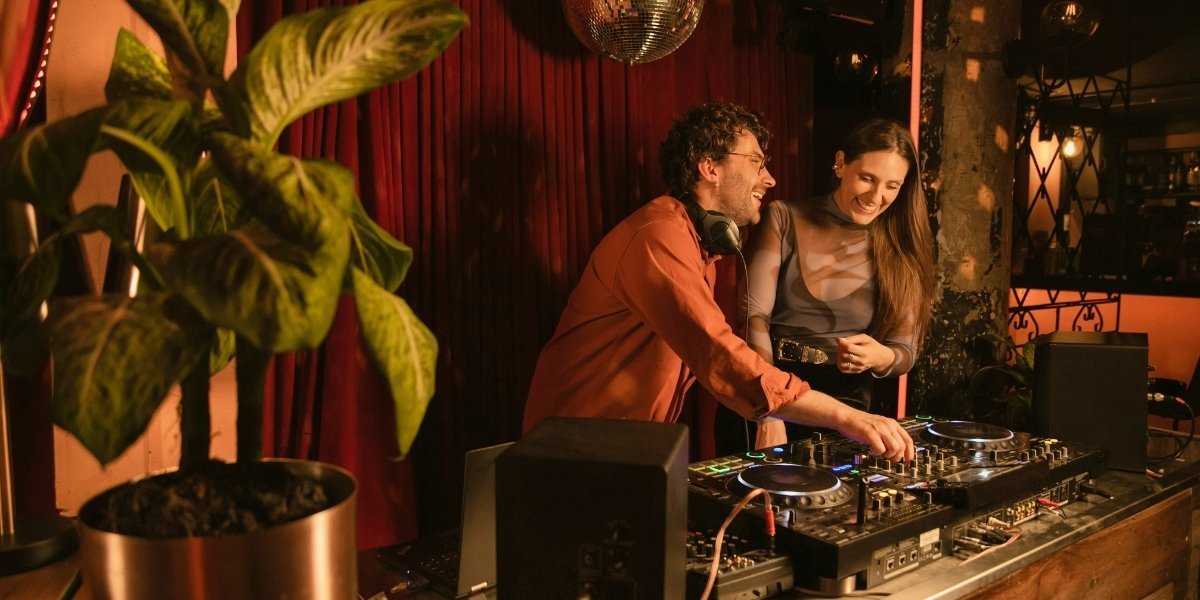
Photo Credit: Unsplash.com
Indie music often explores emotional depth. Without pressure to appeal to mass audiences, artists could write about personal struggles, quiet moments, or everyday life. These themes helped listeners feel seen and understood.
Many songs focus on relationships, change, or uncertainty. The lyrics may be simple, but they carry meaning. A listener going through a breakup might find comfort in a song that describes similar feelings. Someone facing stress might connect with a track that offers calm or reflection.
This emotional honesty helped build trust. People didn’t feel like they were being sold a product. They felt like they were hearing a story. This connection made indie music more than entertainment. It became a companion during difficult times.
The music also encouraged reflection. Listeners often described feeling more thoughtful or aware after hearing certain songs. This effect wasn’t limited to one genre. Whether through acoustic guitar or electronic beats, the message came through clearly.
Digital platforms helped expand this connection. Artists could share their music online, reaching people across borders. Listeners could comment, share, or support the music directly. This interaction helped maintain the personal feel of indie music, even as it reached wider audiences.
How the Movement Influenced Broader Culture
Indie music didn’t stay isolated. Its values and methods began to influence other parts of culture. Fashion, film, and design often borrowed from indie aesthetics. The focus on simplicity, authenticity, and personal expression became more common.
Some mainstream artists adopted indie styles. They used softer production, more personal lyrics, or independent release methods. This shift showed that indie music had changed expectations. Audiences began to value honesty over polish.
The movement also affected how people thought about creativity. It showed that success didn’t always require large budgets or corporate backing. A song recorded in a bedroom could reach thousands. This idea encouraged more people to try making music, writing, or art.
Indie music also supported social awareness. By addressing real issues, it helped listeners think about their communities. Some artists partnered with local groups or used their platforms to support causes. These efforts weren’t always large, but they felt sincere.
The movement continues to grow. New artists still choose independent paths. They use digital tools to share their work and connect with listeners. The values of indie music—freedom, honesty, and community—remain strong.
Indie music created a movement by offering a different way to make and share art. It gave artists space to be themselves and helped listeners feel understood. Its cultural impact can be seen in how it shaped creative habits, supported local identity, and encouraged emotional connection. The movement continues to influence how people think about music, creativity, and community.