


Millionaires tend to drive practical, moderately priced vehicles rather than luxury cars, a pattern documented in the 1996 book The Millionaire Next Door and revived in a July 2026 social-media debate. The research by Thomas J. Stanley and William D. Danko found that disciplined saving, not conspicuous spending, defined most seven-figure households.
Key Takeaways
- The Millionaire Next Door, published in 1996 by Thomas J. Stanley and William D. Danko, found that most American millionaires favored practical, moderately priced vehicles over luxury brands.
- In 1996, the research ranked Ford as the most common vehicle brand among millionaires, with Toyota reportedly taking the top spot roughly a decade later in Stanley’s later work.
- The findings resurfaced in July 2026 through a TikTok clip by creator Brian Luebben that drew more than 660,000 views and reopened a debate about frugality and wealth.
- Stanley and Danko reported that only about 23.5% of millionaires owned a current-model-year car, and roughly half owned vehicles more than two years old.
What Did The Millionaire Next Door Actually Find?
The Millionaire Next Door drew on years of survey data from affluent households to test a common assumption: that wealthy Americans spend lavishly. Thomas J. Stanley and William D. Danko reached the opposite conclusion. The authors reported that most millionaires lived below their means, directed surplus income toward businesses, investments, and retirement accounts, and treated status symbols as what Stanley termed “artifacts” rather than goals.
The vehicle data illustrated the pattern. The Millionaire Next Door reported that only about 23.5% of millionaires owned a car from the current model year, while roughly half owned a vehicle more than two years old. The authors also found that most car buyers spend close to 30% of their net worth on a vehicle, while millionaires in their sample spent about 1%. Many bought two- or three-year-old used cars to avoid the steepest depreciation absorbed by the original owner.
Did the 1996 Study Say Millionaires Drive Toyotas?
The claim that the 1996 study identified Toyota as the top choice does not match the original research. In The Millionaire Next Door, the most common vehicle brands among millionaires in the mid-1990s were, in order, Ford, Cadillac, Lincoln, and a three-way tie among Jeep, Lexus, and Mercedes, followed by Oldsmobile, Chevrolet, and others. Ford held the top position, driven in part by the popularity of the F-150 pickup.
The Toyota association came later. Reporting from MotorBiscuit, citing Stanley’s continued research, noted that Toyota moved into the top spot among wealthy drivers roughly a decade after the book’s release. The distinction matters for accuracy: the 1996 study established the frugality principle and ranked Ford first, while the Toyota finding belongs to a later period. The table below outlines the shift.
| Period | Reported Top Brand Among Millionaires | Source |
|---|---|---|
| Mid-1990s (1996 book) | Ford | The Millionaire Next Door |
| Roughly a decade later | Toyota | Stanley’s later research, via MotorBiscuit |
Why Did the Research Resurface in 2026?
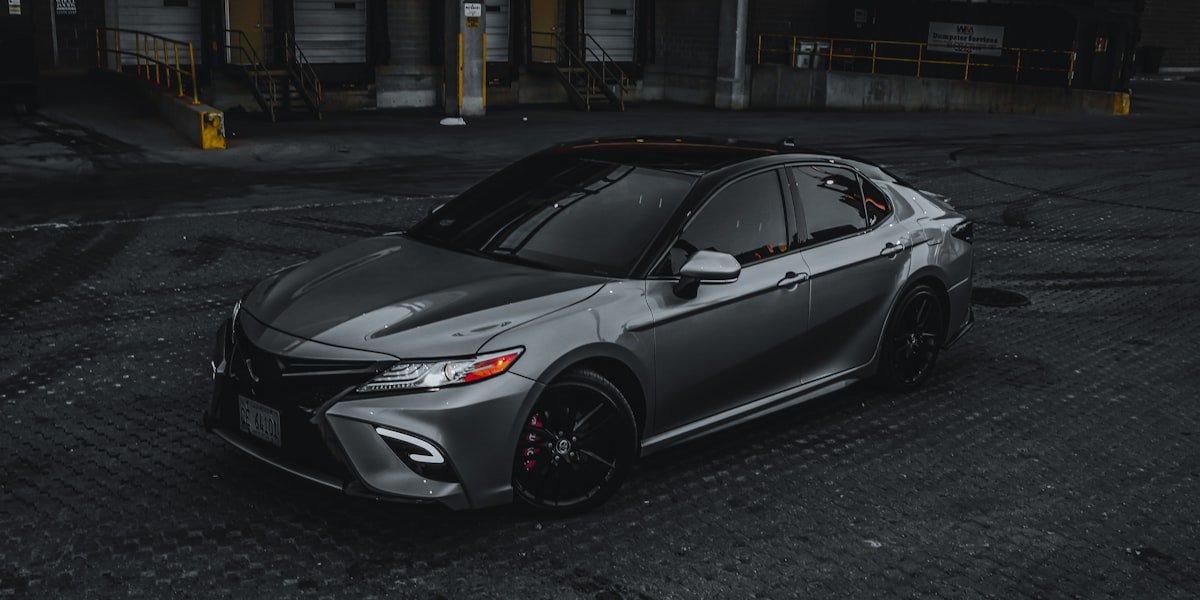
The decades-old findings returned to public attention through a TikTok clip posted by Brian Luebben, a podcaster and real estate investor who said he spent his early business years driving a Camry. In the video, which surpassed 660,000 views, Luebben framed modest car ownership as a means of redirecting money into investments and business growth until assets generate enough passive income to cover expenses.
The clip prompted disagreement. Some viewers countered that the wealthy people they know drive high-end German or exotic vehicles, while others noted that the millionaire population now spans retirees, entrepreneurs, and younger technology founders with varied tastes. The debate, covered by Motor1 on July 2, 2026, did not settle on a Camry as a path to wealth so much as it revived a longstanding question about whether status spending helps or hinders wealth accumulation.
How Does the Frugality Principle Hold Up Today?
The behavioral core of The Millionaire Next Door has proven more durable than any single brand ranking. Stanley and Danko distinguished between the “Balance Sheet Affluent,” those with genuine net worth, and the “Income Affluent,” those with high earnings but little accumulated wealth. The authors argued that spending less on depreciating assets such as cars freed up capital to invest, compounding the gap between the two groups over time.
Real-world figures have long been cited as illustrations of the principle. Warren Buffett has lived in the same Omaha home he purchased in 1958 and has repeatedly dismissed lavish spending, while Walmart founder Sam Walton was known for driving an aging pickup truck despite his fortune. These examples align with the book’s central claim that wealth accumulation tracks financial behavior more closely than income or outward display.
Whether the vehicle of choice is a Ford, a Toyota, or a used sedan, the enduring lesson of The Millionaire Next Door is that wealth is built through disciplined saving rather than the appearance of affluence.
FAQs
What is The Millionaire Next Door about? The Millionaire Next Door is a 1996 book by Thomas J. Stanley and William D. Danko that profiles American millionaires. It found that most build wealth through frugality, saving, and investing rather than high-income spending or inheritance.
Did the 1996 study find that millionaires drive Toyotas? No. The 1996 book ranked Ford as the most common brand among millionaires. Reporting citing Stanley’s later research indicated Toyota took the top spot roughly a decade afterward.
How much do millionaires spend on cars, according to the research? The book reported that millionaires in the sample spent about 1% of their net worth on a vehicle, compared with roughly 30% for typical car buyers, and often bought used cars.
Why did this topic trend in 2026? A TikTok clip by creator Brian Luebben, viewed more than 660,000 times, revived the book’s findings and sparked debate about frugality and wealth, as covered by Motor1 in July 2026.
Do all wealthy people avoid luxury cars? No. The research described general patterns, not universal rules. Commenters noted that many wealthy individuals drive luxury vehicles, and tastes vary across today’s diverse millionaire population.