


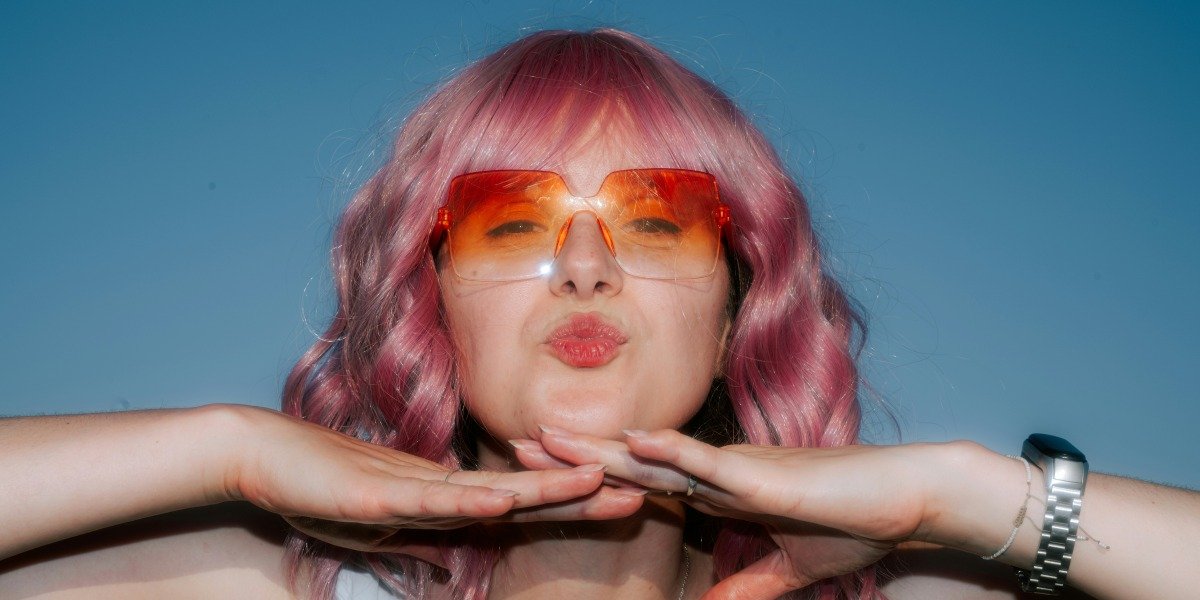
Facial expressions carry meaning that words often can’t. In photography, they help communicate emotion, intention, and personality. Whether the subject is posing for a portrait, a fashion shoot, or a commercial campaign, the way their face moves can shape how the image is received. Many people feel unsure about how to express themselves in front of a camera. This uncertainty is common and manageable.
Photoshoots often involve unfamiliar environments, bright lights, and close attention from others. These conditions can make it harder for someone to relax their face naturally. Learning how expressions work and how they’re used in photography can reduce that discomfort.
What Makes an Expression Feel Natural
A natural expression usually reflects a relaxed state. It doesn’t mean smiling all the time. It means the muscles around the eyes, mouth, and forehead aren’t tense. Photographers often look for subtle cues like a soft gaze or a slight lift in the eyebrows. These small movements can suggest openness or calmness.
People sometimes try to force expressions they think are expected. This can lead to tight smiles or wide eyes that feel unnatural. Instead, gentle breathing and small adjustments in posture can help the face settle into a more genuine look. A photographer may guide the subject with simple prompts like “think of something peaceful” or “look toward the light,” which can shift the mood without pressure.
How Muscle Memory Affects Facial Movement
The face contains dozens of muscles that respond to emotion, habit, and intention. Over time, people develop patterns in how they smile, frown, or raise their brows. These patterns are called muscle memory. In photoshoots, muscle memory can influence how easily someone shifts between expressions.
For example, someone who often smiles with their mouth closed may find it harder to show teeth naturally. Others may have a habit of furrowing their brow when concentrating. These tendencies aren’t flaws. They’re simply part of how the face behaves. Photographers and subjects can work together to notice these patterns and adjust them gently.
The Influence of Mood and Environment
Mood plays a strong role in facial expression. If someone feels anxious, their face may tighten. If they feel safe, it may soften. The environment also matters. A quiet studio with soft lighting may encourage calm expressions. A busy outdoor shoot might lead to more alert or reactive looks.
Photographers often try to create a setting that supports the mood they want to capture. This might involve music, conversation, or breaks between shots. Subjects who feel respected and unhurried tend to show more relaxed expressions. Even small changes, like adjusting the temperature or offering water, can help someone feel more at ease.
Techniques for Guiding Expression
Photographers use different techniques to guide facial expression. Some rely on verbal cues. Others use movement or props. A common method is to ask the subject to imagine a scenario. For example, “pretend you’re greeting a friend” or “think about something that makes you curious.” These prompts can shift the face in subtle ways.
Another approach is mirroring. The photographer may demonstrate an expression and ask the subject to copy it. This works well for people who prefer visual guidance. Some shoots use reference images to show the kind of mood or look being aimed for. These tools aren’t meant to force a result. They’re meant to support the subject’s comfort and clarity.
Why Expression Can Feel Difficult Under Pressure
Many people feel self-conscious during photoshoots. They may worry about how they look or whether they’re doing it “right.” This pressure can interfere with natural expression. The face may freeze or show signs of tension. These reactions are normal and temporary.
Photographers who recognize this often slow down the process. They may take test shots, adjust the lighting, or talk through the setup. Subjects who understand that expression is a process—not a performance—tend to relax more quickly. It helps to remember that most photos are taken in series. One image doesn’t define the whole shoot.
Long-Term Benefits of Practice
People who participate in photoshoots regularly often become more comfortable with facial expression. They learn how their face responds to different prompts and how to adjust it gently. This doesn’t mean they become actors or models. It means they gain awareness and control.
Practice can include looking in a mirror, studying past photos, or working with a coach. Some people use breathing exercises or mindfulness to reduce tension before a shoot. These habits don’t need to be intense or time-consuming. Even a few minutes of preparation can make a difference.
Expression as a Form of Communication
Facial expression in photography isn’t just about looking good. It’s about sharing something. A calm gaze can suggest trust. A slight smile can suggest warmth. These signals help the viewer connect with the image. They also help the subject feel seen.
Expression doesn’t need to be dramatic to be effective. Often, the smallest movements carry the most meaning. A relaxed jaw, a softened brow, or a gentle tilt of the head can shift the entire tone of a photo. These details matter, even if they’re not always noticed directly.
Addressing Common Concerns
Some people worry that their face isn’t expressive enough. Others feel they always look tense or tired in photos. These concerns are understandable. They often come from comparing oneself to others or from past experiences with photography.
It helps to remember that every face moves differently. There’s no single way to express emotion. What matters is comfort and clarity. A photographer who listens and adapts can support that. Subjects who feel safe and informed tend to show more natural expressions.
For those interested in a deeper look at how photographers approach this subject, The Artistry of Facial Expressions: Mastering the Craft in Photoshoots offers additional insights into techniques and emotional awareness used during sessions.
Building Confidence Over Time
Confidence in facial expression doesn’t happen instantly. It builds through experience, feedback, and self-awareness. People who understand how their face moves and what helps it relax often feel more prepared for photoshoots. They don’t need to perform. They just need to participate.
Photography is a shared process. Expression is part of that process. With patience and support, most people find their own way to communicate through the lens. The goal isn’t perfection. It’s presence. And presence begins with understanding.
Internal Links Used
The Artistry of Facial Expressions: Mastering the Craft in Photoshoots
https://networth.us/the-artistry-of-facial-expressions-mastering-the-craft-in-photoshoots/