


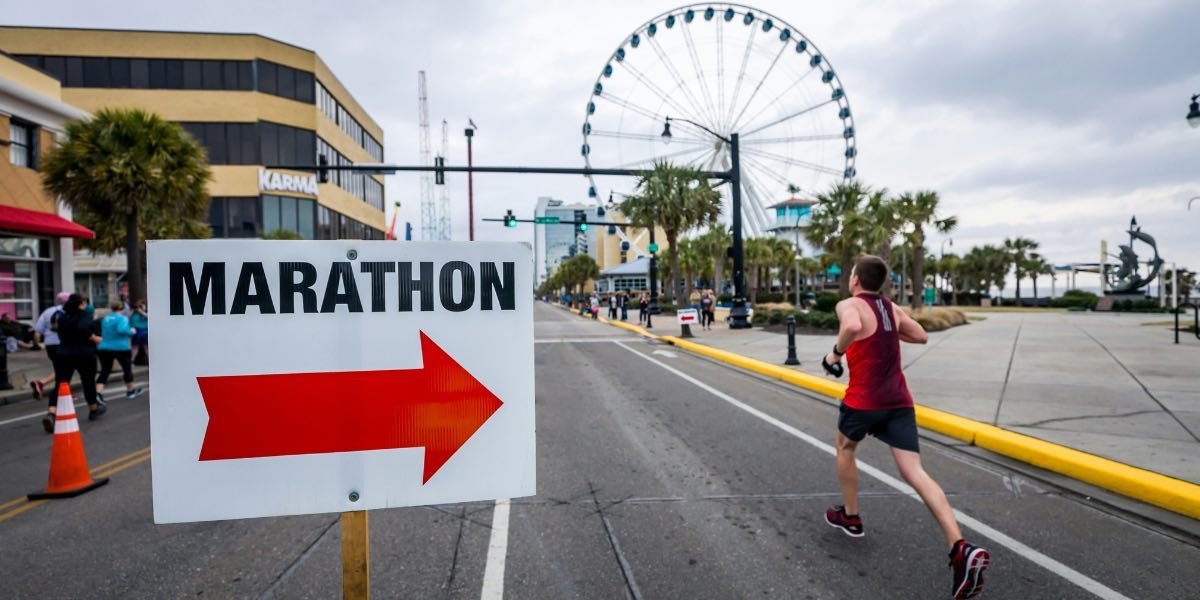
Traffic rage has become an increasingly noticeable issue in many urban areas, with frustration levels rising among drivers due to congestion, delays, and unexpected disruptions. Marathons and other large-scale events are among the many contributing factors to this growing tension. While marathons bring positive attention and community engagement, they also disrupt traffic patterns by requiring significant road closures, detours, and rerouting, which can further escalate the stress experienced by daily commuters. The question remains: Are marathons exacerbating traffic rage in cities that already struggle with congestion?
Read also: What AI Can Do to Improve the Country’s Wealth
How Do Marathons Affect Urban Traffic Flow?
Marathons typically involve road closures or rerouted traffic, which can be disruptive for drivers trying to get to their destinations. These events often occur in central or busy urban areas, where the roads affected by the race are frequently used by commuters. Although marathon organizers plan the closures in advance, the reality of navigating around them can cause inconvenience for those unaware of the changes or who are caught off guard. This disruption may result in delays for individuals trying to reach work, appointments, or meetings.
The roads closed for a marathon often represent some of the most heavily trafficked areas in a city. As a result, rerouting traffic can lead to further congestion on alternative routes. The sudden change in traffic patterns can contribute to a heightened sense of frustration for commuters, especially those who are unfamiliar with the rerouted routes or who rely on these roads as part of their daily routine.
How Can Road Closures and Detours Contribute to Traffic Rage?
When a marathon event takes place, its road closures and detours may significantly delay drivers. While event organizers aim to minimize disruptions, the reality is that these closures affect commuters in various ways. Some individuals may need to adjust their schedules to accommodate the roadblocks, which could result in frustration, particularly for those with time-sensitive commitments. The inconvenience of finding alternative routes, coupled with the confusion over temporary signs or barriers, can heighten stress levels among drivers.
For some drivers, the visible roadblocks—whether in the form of barricades, police officers managing traffic, or redirected lanes—can act as a trigger for negative emotions. The combination of waiting in traffic and navigating unfamiliar roads may lead to drivers becoming irritated and more likely to exhibit aggressive driving behavior. This can contribute to a broader atmosphere of road rage, which could escalate further as a result of the marathon-related disruptions.
Are Marathons the Primary Cause of Traffic Rage?
Although marathons contribute to traffic disruptions, they are by no means the only cause of increasing traffic rage. Urban areas are increasingly struggling with congestion, with a variety of factors influencing traffic flow. Population growth, increased car ownership, and insufficient infrastructure are just a few of the underlying causes that contribute to the growing frustration of commuters.
While the inconvenience of marathons may add to traffic stress, it’s important to recognize that the issue of traffic rage is complex and driven by multiple elements. Marathons are a temporary event, and their direct impact on traffic is often felt in a specific window of time, typically during race day. In contrast, the broader traffic issues facing cities—such as everyday congestion, inefficient public transport, and urban sprawl—are persistent problems that contribute to ongoing driver frustration.
Can Marathon Disruptions Be Managed to Reduce Traffic Rage?
There are several ways that marathon-related traffic disruptions could be managed to minimize their impact on commuters. One approach is better planning and communication with the public. Event organizers can provide earlier and more comprehensive notifications about road closures and suggested detour routes. This allows commuters to plan their travel in advance and avoid the most affected areas.
In addition, marathon routes could be adjusted to limit their disruption to essential traffic corridors. By collaborating with urban planners and transportation experts, event organizers could explore alternative routes or times that minimize the strain on daily commuters. For instance, holding marathons at times when traffic is less congested, such as early in the morning or during off-peak seasons, might reduce the overall impact on road users.
Public transportation options could also be highlighted during large events, encouraging individuals to take buses, trains, or trams, which would alleviate pressure on roadways. In some cases, cities have experimented with offering incentives to use public transit during these events, helping ease congestion and making it easier for both event participants and daily commuters to travel.
Do Marathons Have a Long-Term Impact on Traffic Rage?
While the disruptions caused by marathons might be significant on the day of the event, the long-term impact on overall traffic rage remains uncertain. The surge in road rage during marathons could be temporary, with the frustration subsiding once the event ends and roads are reopened. However, repeated occurrences of road closures due to marathons and similar events could build up resentment over time, leading to an ongoing negative association with major public events.
It’s also worth considering that marathons are just one of many factors that contribute to traffic issues. As urban areas continue to grow and cities face increasing pressure to accommodate more vehicles, the issue of traffic rage may persist, even if marathons are better managed. The larger conversation about urban planning, public transportation, and the need for more sustainable mobility options will play a significant role in reducing overall traffic-related stress.
How Are Commuters Reacting to Increased Traffic Disruptions?
Commuters’ reactions to marathon-related disruptions vary. For some, the inconvenience of dealing with road closures is minor, especially if they are able to plan their routes in advance. However, for others, particularly those who rely on affected streets for daily commutes, the disruptions can lead to significant frustration. The unpredictability of rerouted traffic and the uncertainty about how long it will take to reach a destination can make drivers feel helpless, which, in turn, may increase the likelihood of road rage incidents.
When disruptions are frequent, commuters may begin to expect delays and can become more easily agitated. This heightened sense of frustration can spill over into aggressive behavior behind the wheel, such as tailgating, cutting others off, or engaging in other unsafe driving practices. Over time, these experiences may contribute to an overall negative perception of large public events like marathons, despite the benefits they bring to the community.
What Role Can City Planners Play in Reducing the Impact of Marathons?
City planners have an important role in mitigating the negative effects that marathons and similar events can have on traffic. By considering factors like traffic flow, road usage, and public transportation, planners can help ensure that major events are designed in a way that minimizes disruptions to everyday life. Collaborating with event organizers to identify the most appropriate locations and times for these events could help alleviate some of the burden placed on commuters.
Another possible solution is to improve communication with the public regarding traffic changes. Providing real-time updates through traffic apps or social media platforms could help commuters navigate the city more effectively, avoiding areas affected by road closures. Advanced planning and clear communication can help reduce confusion and allow drivers to make more informed decisions, reducing frustration and potential road rage.
Read also: The Marathon Revival: Why Running Marathons Is Trending Again
Is Traffic Rage Likely to Continue Rising?
Traffic rage is a multifaceted issue, and while marathons contribute to traffic disruptions, they are only one element of a broader problem. As cities grow and the number of vehicles on the road increases, addressing traffic rage will require a comprehensive approach. This could include improving urban infrastructure, expanding public transportation, and integrating technology to help manage traffic more efficiently.
Marathons and similar events are a reflection of a broader trend in urban life, where large-scale gatherings often intersect with the daily routines of millions of commuters. Whether marathons will continue to exacerbate traffic rage depends on how cities adapt to the challenge of balancing public events with the needs of everyday drivers. By exploring solutions that reduce the impact of these disruptions, cities may be able to minimize frustration and create a more harmonious environment for both event participants and commuters.