


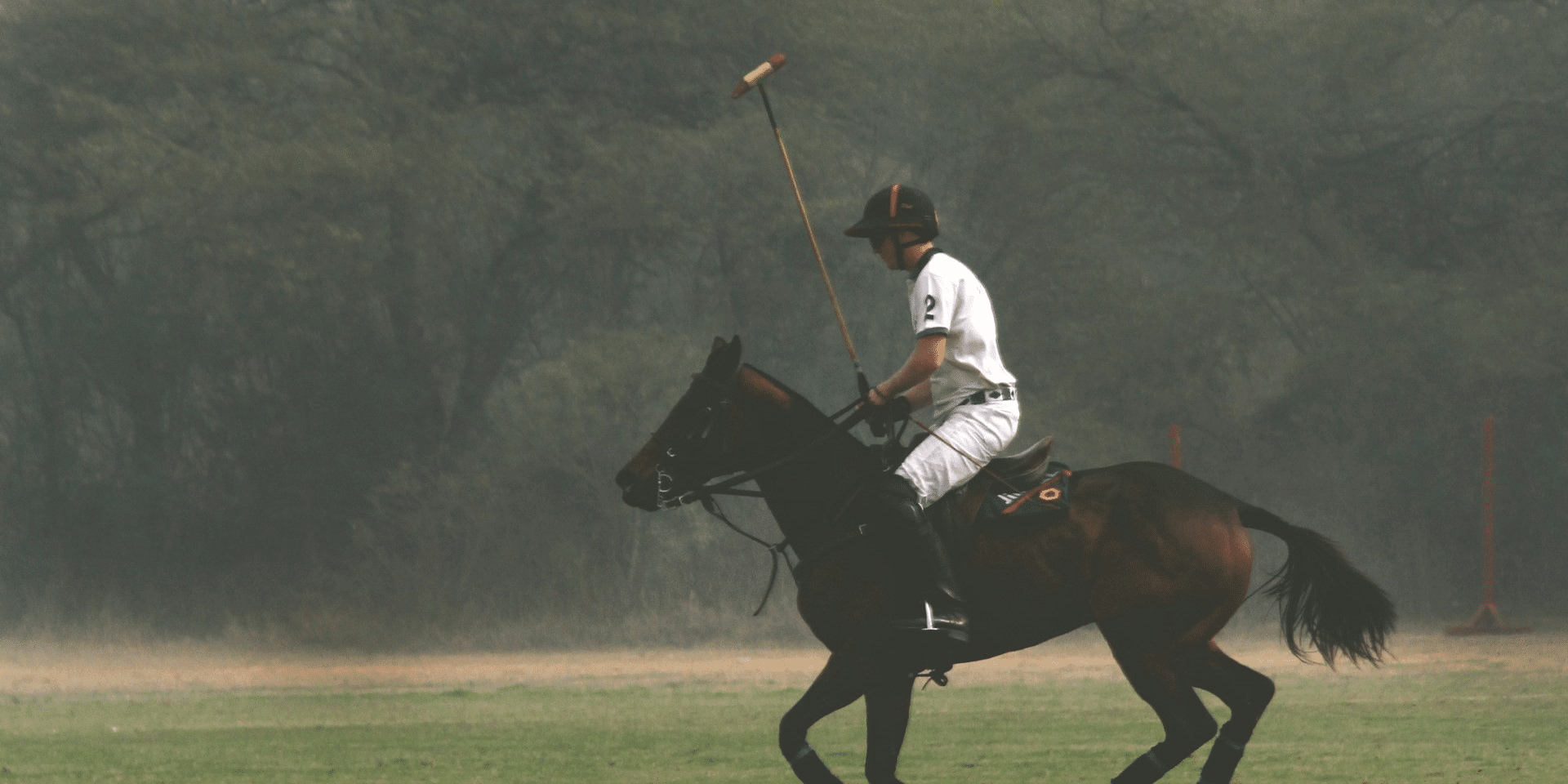
Polo is one of the oldest organized sports in history, with origins tracing back more than 2,000 years to Persia. It was initially used as a training exercise for cavalry units, combining horsemanship with strategy. Over time, the game spread across Asia and became a favorite among nobility and royalty. In India, polo flourished during the Mughal era, and the British later formalized the modern version of the sport.
The sport’s reputation as the “sport of kings” has endured, but this image has also created barriers. While polo is admired for its elegance and tradition, it is often perceived as exclusive, reserved for those with wealth and access to horses. This perception has prevented it from achieving the mainstream popularity enjoyed by football, basketball, or tennis.
Despite its limited reach, polo continues to be played in countries such as Argentina, the United States, and the United Kingdom. Argentina, in particular, has become a global leader in polo, producing many of the world’s top players and hosting prestigious tournaments.
Barriers to Accessibility
One of the main reasons polo remains overlooked is the cost of participation. Horses, equipment, and training facilities require significant financial investment. Unlike sports that need only a ball and a field, polo demands resources that are out of reach for most people. Forbes highlights that this exclusivity has long been a challenge, though organizations such as the U.S. Polo Assn. are working to make the sport more accessible through partnerships and outreach programs (Forbes).
Geography also plays a role. Polo requires large fields and specialized infrastructure, which are not widely available. This limits opportunities for casual play and makes it difficult for newcomers to try the sport. In contrast, sports like basketball or soccer can be played almost anywhere, contributing to their global popularity.
Another barrier is visibility. Polo receives limited media coverage compared to other sports. Matches are often confined to niche channels or private events, reducing opportunities for broader audiences to engage with the game. Without consistent exposure, it struggles to attract new fans.
Misconceptions and Cultural Perceptions
Polo’s image as an elite pastime has shaped how it is perceived by the public. Many view it as a sport disconnected from everyday life, associated more with luxury brands and social events than athletic competition. Metaphore Magazine notes that while polo has deep cultural roots, its modern identity is often overshadowed by its association with wealth and exclusivity.
This perception overlooks the athleticism and skill required to play polo. Players must master horsemanship, strategy, and teamwork, often competing at high speeds in physically demanding conditions. Yet these aspects are rarely highlighted in mainstream discussions, leaving the sport underappreciated.
Cultural differences also affect polo’s popularity. In countries where equestrian traditions are strong, such as Argentina or India, polo has a more established presence. In other regions, it remains unfamiliar, limiting its ability to grow as a global sport.
Opportunities for Growth
Despite these challenges, polo has opportunities to expand its reach. Efforts to make the sport more accessible are already underway. Youth programs and community initiatives are introducing polo to new audiences, helping to break down barriers of exclusivity. Forbes reports that partnerships with lifestyle brands and media outlets are also increasing visibility, bringing polo into mainstream conversations.
Technology offers another avenue for growth. Streaming platforms and social media provide opportunities to showcase matches to global audiences. Highlighting the athleticism of players and the excitement of the game could help shift perceptions and attract younger fans.
There is also potential in diversifying participation. Encouraging women and players from different backgrounds to join the sport can broaden its appeal. By presenting polo as inclusive and dynamic, organizations can challenge outdated stereotypes and create a more modern identity.
Balancing Tradition with Modern Appeal
Polo’s strength lies in its rich history and traditions, but these must be balanced with efforts to modernize. Preserving its heritage while adapting to contemporary expectations is essential for growth. This means maintaining the elegance and strategy that define the sport while making it more approachable for wider audiences.
Events that combine tradition with entertainment, such as festivals or charity matches, can help bridge this gap. These formats allow new audiences to experience polo in a welcoming environment, reducing the perception of exclusivity.
By embracing both its past and its potential, polo can carve out a stronger place in the global sports community. While it may never rival the popularity of football or basketball, it has the opportunity to grow beyond its current niche and reach new generations of players and fans.