



Drag queens have become a visible part of entertainment across many formats. Their presence spans live shows, television, digital platforms, and community events. While some audiences may be unfamiliar with drag performance, others have embraced it as a form of creative expression. The growth of drag in entertainment reflects broader changes in how people engage with identity, humor, and performance.
This article outlines four areas that help explain the influence of drag queens in entertainment: the nature of drag performance, its role in public events, how audiences respond, and the longer-term cultural effects.
What Drag Performance Represents
Drag is a form of performance where individuals use clothing, makeup, and exaggerated gestures to portray characters. These characters often play with gender presentation, using humor, drama, or satire. The goal isn’t to imitate but to express. Drag can be playful, theatrical, or reflective. It allows performers to explore identity in ways that are often bold and imaginative.
The term “drag queen” typically refers to performers who present femininity in exaggerated or stylized ways. This may include elaborate costumes, dramatic makeup, and expressive movement. Performances often include lip-syncing, dance, or storytelling. Each show varies depending on the performer’s style and the audience.
Drag doesn’t follow a single format. Some performances are quiet and emotional. Others are loud and comedic. The variety reflects the performer’s choices and the setting. Whether in a small venue or a large stage, drag offers a space for creative freedom.
For many performers, drag is more than entertainment. It’s a way to explore personal themes, challenge norms, or connect with others. These motivations aren’t always visible to the audience, but they shape the performance. Understanding this helps explain why drag has gained attention across different communities.
How Drag Appears in Public Events
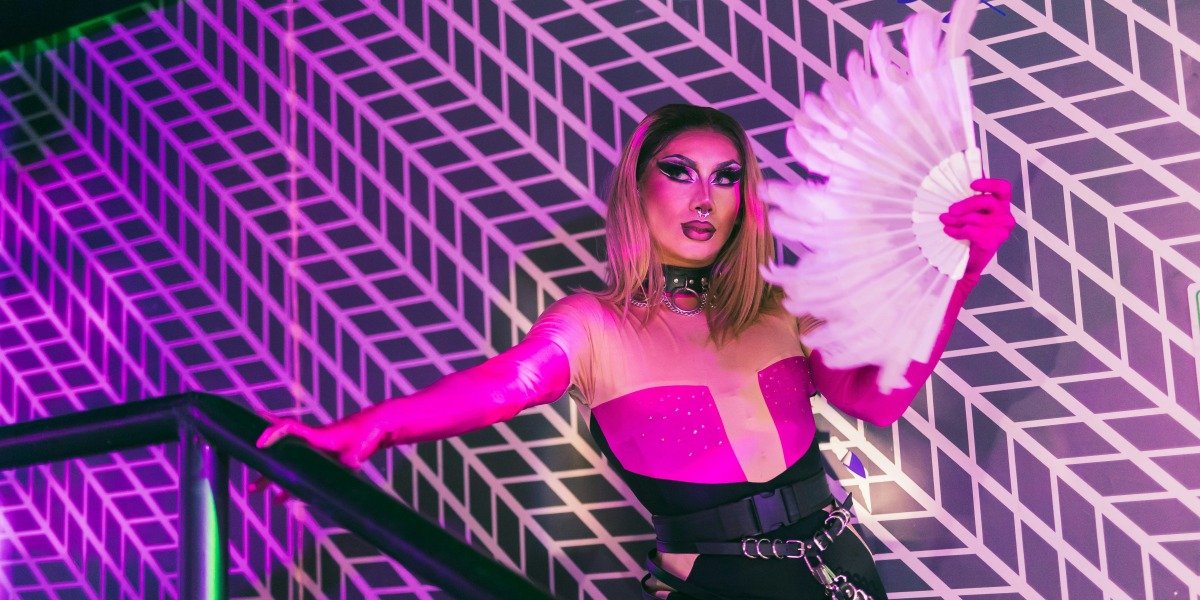
Photo Credit: Unsplash.com
Drag has moved beyond nightclubs and private venues. It now appears in parades, festivals, fundraisers, and educational programs. These events often include drag performances as part of broader celebrations. The goal is usually to entertain, but sometimes also to inform or support community causes.
Public drag events vary in tone. Some are family-friendly, with storytelling or costume contests. Others are geared toward adults, with humor and satire. Organizers often clarify the format so audiences know what to expect. This helps reduce confusion and supports respectful participation.
Drag performers may also appear in digital content. Short videos, livestreams, and interviews allow them to reach wider audiences. These formats offer flexibility. Performers can share makeup tutorials, discuss personal stories, or respond to viewer questions. The tone is often casual, but the impact can be meaningful.
Some people may feel uncertain about drag in public settings. They may wonder about its purpose or appropriateness. These concerns are understandable. Drag is a form of expression, and like any performance, it varies. Clear communication and thoughtful planning help ensure that events match the audience’s expectations.
Audience Reactions and Cultural Curiosity
Audience responses to drag vary. Some people feel entertained, others feel curious, and some may feel unsure. These reactions often depend on familiarity. People who’ve seen drag before may enjoy the humor or artistry. Those who haven’t may need time to understand the format.
Drag often uses exaggeration. This can include dramatic gestures, bold makeup, or playful commentary. These elements are meant to entertain, not offend. Still, some viewers may feel surprised or confused. That’s common with any unfamiliar art form. Over time, exposure tends to reduce discomfort.
Cultural curiosity plays a role. As drag becomes more visible, people ask questions. They want to know what it means, who performs it, and why it matters. These questions reflect interest, not judgment. They help build understanding and reduce assumptions.
Some audiences connect with drag on a personal level. They may see themes of identity, resilience, or humor that feel familiar. Others may simply enjoy the performance. Both responses are valid. Drag doesn’t require agreement. It invites observation and reflection.
Respectful engagement helps. When audiences approach drag with openness, they often find value. They may laugh, learn, or think differently. These shifts don’t happen all at once. They build gradually, through repeated exposure and thoughtful conversation.
Broader Cultural Influence Over Time
Drag has influenced entertainment by expanding ideas of performance and identity. It challenges traditional roles and invites creative expression. This influence appears in fashion, comedy, music, and visual art. Elements of drag—such as bold styling or theatrical delivery—have shaped how people present themselves in public.
Drag also affects language and humor. Phrases, gestures, and styles from drag culture sometimes enter mainstream conversation. These shifts reflect cultural blending. They show how niche art forms can influence broader trends.
Education plays a role too. Some schools, libraries, and community centers include drag in their programming. These events may focus on storytelling, history, or creative arts. They’re designed to be informative and respectful. Participation is usually optional, and organizers clarify the format in advance.
Long-term influence isn’t always obvious. It appears in small changes—how people dress, speak, or think about identity. Drag encourages flexibility. It shows that expression can be playful, thoughtful, or bold. These ideas affect how people view themselves and others.
Some people may feel unsure about drag’s place in entertainment. They may worry about values, appropriateness, or influence. These concerns are valid. Drag is one form of performance among many. It doesn’t replace other formats. It adds variety and invites reflection.
The visual impact of drag also connects with broader artistic practices. As The Artistry Behind the Glamor: The Impact of Makeup Artists in Entertainment explores, makeup artists play a key role in shaping how performers appear and express themselves. Their work supports transformation, storytelling, and emotional tone—elements that are central to drag performance.
Drag continues to appear in entertainment because it offers something distinct. It blends humor, style, and commentary. It invites audiences to think, laugh, and reflect. Whether embraced or questioned, its presence encourages conversation. That influence is part of its cultural role.
Internal Links Used
The Artistry Behind the Glamor: The Impact of Makeup Artists in Entertainment
https://networth.us/the-artistry-behind-the-glamor-the-impact-of-makeup-artists-in-entertainment/