


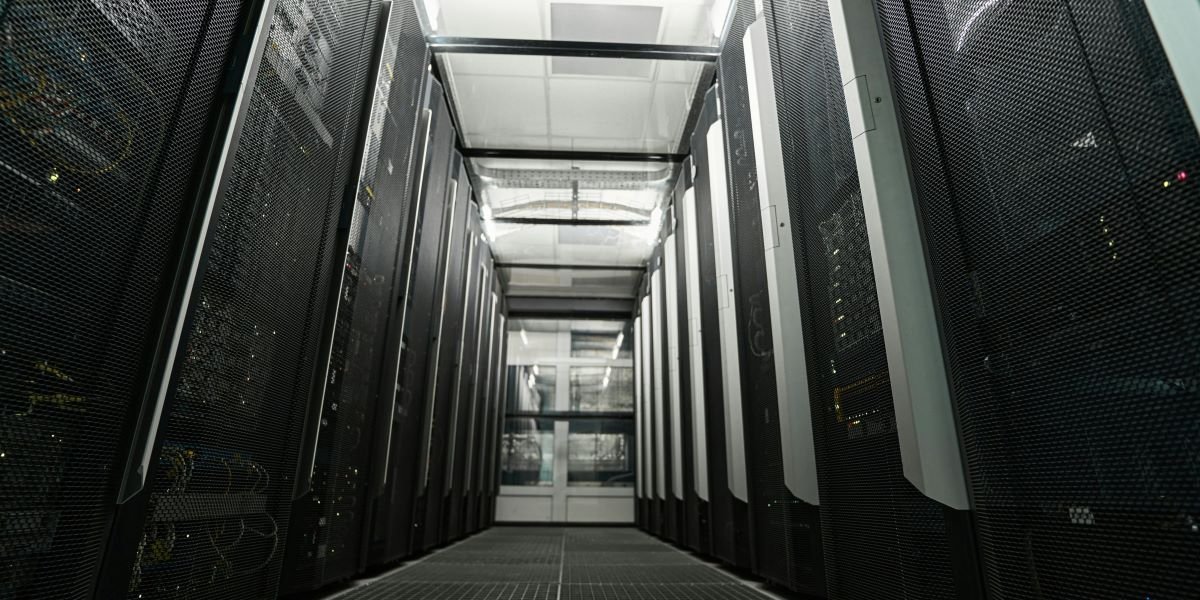
California Governor Gavin Newsom signed seven data center bills on September 21, 2026. The laws require operators to pay for grid connections and upgrades, disclose electricity and water use, and give up blanket environmental review exemptions. Key rate details still depend on a California Public Utilities Commission proceeding that has not yet started.
Key Takeaways
- The package includes AB 1577, AB 2383, AB 2469, AB 2619, SB 886, SB 887 and SB 1168, covering electricity costs, water use, land use and local oversight.
- SB 1168, SB 886 and AB 2383 direct the CPUC to set rates that make data centers pay for grid connection costs and the upgrades needed to serve them.
- Special electricity rates for data centers are due by 2028, and the CPUC must open a proceeding to design them before any operator owes a specific amount.
- AB 1577’s energy reporting requirement exempts facilities with less than 10 megawatts of electrical capacity.
- SB 887 makes most private data center projects ineligible for CEQA categorical exemptions, while offering faster review to projects that meet state conservation standards.
- The package reverses Newsom’s 2025 veto of a data center water disclosure bill.
Three Laws Target Who Pays for Grid Upgrades
The core of California’s data center package is a question that utilities, regulators, and ratepayers across the country are now facing: when a single facility needs enough power to require new transmission lines, substations, or generation, who pays for it?
California’s answer is the operator. SB 1168, SB 886 and AB 2383 require the California Public Utilities Commission to set rates that make data centers cover the cost of connecting to the grid and any upgrades needed to deliver their electricity. The measures also include requirements on energy procurement and clean energy.
For businesses, the key detail is timing. The special data center rates are not due until 2028. SB 1168 leaves the rate design to the CPUC, which must first open a proceeding and write the structure. No bill in the package sets a dollar threshold or a megawatt trigger, so operators know they will owe more but not yet how much.
Water Disclosure Rules Take Effect at the Local Permit Stage
Three bills address water and resource reporting. AB 2469 requires developers to provide projected water demand, water supply, and efficiency measures as a condition of local project approval. AB 2619 adds requirements tied to water resources and drought planning, and AB 1577 sets statewide reporting on energy use.
These rules change how projects get approved at the local level. Operators must now give local governments and water suppliers figures on expected water use, available supply, efficiency measures, and drought planning. In drought-prone parts of California, that information gives city councils and water districts concrete data to consider when weighing a new facility.
AB 1577 limits the public disclosure. The California Energy Commission will publish submitted data in anonymized, aggregated form, and operators can request exemptions. Site-level figures submitted during permitting go to the local agency rather than being posted publicly.
SB 887 Ends Blanket CEQA Exemptions for Data Centers
SB 887 changes how data centers are treated under the California Environmental Quality Act. It creates a statewide definition of a data center and makes most private data center projects ineligible for CEQA’s categorical exemptions, which cover projects presumed to have no significant environmental effect.
SB 887 also gives developers a faster route. Projects that meet additional state water and energy conservation standards can qualify for streamlined approval and expedited judicial review. In practice, it encourages developers to build more efficient facilities in exchange for a quicker, more predictable path through environmental review.
The Package Marks a Shift in California’s Approach
The signing marks a change from last year. In 2025, Newsom vetoed a bill requiring data centers to disclose water use, citing concerns about imposing rigid reporting requirements without fully understanding the effects on businesses and consumers. The 2026 package is the first time California has changed how electricity rates work for data centers.
The industry has warned about the economic stakes. The Data Center Coalition says the sector supported 665,500 jobs and more than $159 billion in economic activity in California in 2024. Whether the new rules slow development or simply make costs more predictable will depend largely on how the CPUC designs the rates.
Key Compliance Dates for Data Center Operators
The package phases in over several years:
- Immediately: SB 887’s removal of the CEQA categorical exemption applies to new project approvals, and AB 2469’s water supply assessment requirement for local permits takes effect.
- January 1, 2027: The filing window for exceptional cases opens.
- January 1, 2028: Data center rate structures and water scarcity plans are due.
- 2029: The California Energy Commission’s first data center load assessment report is due.
- January 1, 2032: The governor’s authority to fast-track qualifying projects expires.
What California’s Data Center Laws Mean for Founders and Tech Buyers
For most startups and SaaS companies, the effect will be indirect. Few early-stage companies own data centers, but nearly all buy compute from cloud providers and colocation facilities. If operators in California pay more for grid infrastructure under the new rate structures, some of that cost could eventually reach customers through higher prices for compute, storage, or colocation space.
Two points limit the near-term risk. First, the rates will not be set until the CPUC completes its rulemaking, with a 2028 deadline. Second, cloud pricing is usually set nationally or regionally, and large providers spread infrastructure costs across many locations. Companies that depend on California colocation or plan their own infrastructure should track the CPUC proceeding closely. Facilities under 10 megawatts are exempt from AB 1577’s reporting requirement.
For companies planning facilities in the state, the practical steps are to budget for full grid interconnection and upgrade costs, prepare water demand and drought-plan documentation before seeking local permits, and assess whether a project can meet SB 887’s standards for faster review.
FAQs
Which data center bills did California sign in 2026?
Governor Newsom signed AB 1577, AB 2383, AB 2469, AB 2619, SB 886, SB 887 and SB 1168 on September 21, 2026. The laws cover electricity costs, water disclosure, land use and environmental review.
Will California data centers pay higher electricity rates?
Yes. SB 1168, SB 886 and AB 2383 require the CPUC to create rates that make data centers pay for grid connection and upgrade costs. The rate structures are due by 2028.
Do small data centers have to report energy use?
No. AB 1577’s reporting requirement excludes facilities with less than 10 megawatts of electrical capacity, along with certain public, research and national security facilities.
How does SB 887 change CEQA for data centers?
SB 887 makes most private data center projects ineligible for CEQA categorical exemptions. It also creates a faster review path for projects that meet state water and energy conservation standards.
Will California’s data center laws raise cloud computing costs?
Possibly, but not right away. Operators may pass higher grid costs on to customers once the CPUC sets rates, which is not expected before 2028, and cloud pricing is often spread across many regions.