


The S&P 500 rose 0.32% to close at 7,677.28 on August 25, 2026, while the Dow Jones Industrial Average gained 160.24 points to reach 53,577.40 for its third consecutive winning session. The rally was driven by a broad semiconductor advance ahead of Nvidia’s earnings report and supported by a two-day decline in Treasury yields that shifted risk appetite toward equities. The session produced a sharp split in market tone: technology and chip stocks lifted the indexes while retail stocks absorbed a significant single-name drawdown after Dick’s Sporting Goods reported an earnings miss and slashed its full-year guidance.
Key Takeaways
- The S&P 500 closed at 7,677.28 (up 0.32%), the Nasdaq Composite at 26,151.30 (up 0.66%), and the Dow at 53,577.40 (up 160.24 points, or 0.3%) on August 25, with the Dow recording its third consecutive positive session.
- The 10-year Treasury note yield fell more than 7 basis points to 4.625%, extending a two-day decline after reports that the Treasury Department could use its $1 trillion General Account to fund bond repurchases.
- West Texas Intermediate crude futures dropped more than 3%, pressuring energy stocks while easing near-term inflation expectations.
- Dick’s Sporting Goods shares fell 30.67% to close at $124.32, the session’s largest single-stock decline by market impact, after reporting adjusted EPS of $3.53 versus the $3.76 consensus and cutting full-year EPS guidance to $11.00-$12.00, a 19% shortfall against the prior analyst estimate of $14.20.
- New home sales for July came in at 607,000 annualized units, below the consensus estimate of 620,000, adding a cautionary data point to the housing market picture.
- Semiconductor stocks rallied broadly ahead of Nvidia’s fiscal Q2 report due after market close on August 27.
Semiconductor Rally Lifts the Nasdaq as Investors Position for Nvidia
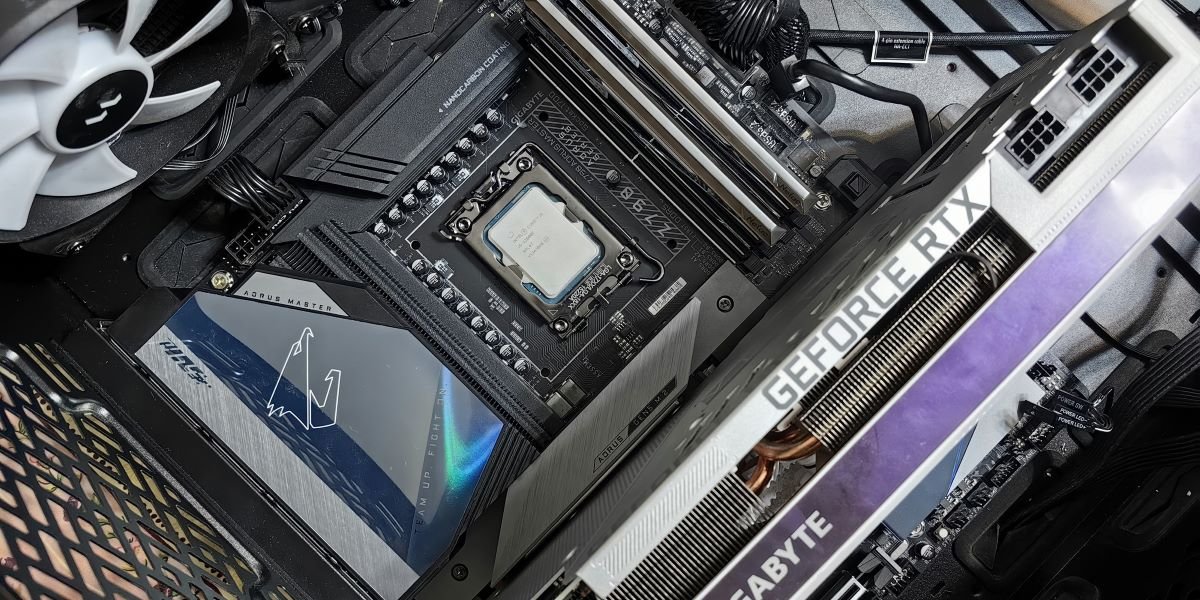
The Nasdaq Composite’s 0.66% gain outpaced both the S&P 500 and the Dow, driven primarily by a broad-based advance in semiconductor stocks. The rally reflected pre-earnings positioning ahead of Nvidia’s fiscal second-quarter report, scheduled for release after market close on August 27. Nvidia dominates the AI accelerator market and its results function as a spending barometer for the entire AI infrastructure ecosystem, meaning that the earnings release will influence not just Nvidia’s share price but sentiment across the chip, cloud computing, and data center sectors.
The positioning dynamic is straightforward: institutional investors who expect a strong Nvidia report buy semiconductor exposure ahead of the release to capture the post-earnings move, while those who are less confident reduce exposure to limit downside risk. The net buying pressure on August 25 suggested the market’s weight of expectation leaned toward an inline-to-positive result. Wall Street consensus projects approximately $92 billion in Nvidia quarterly revenue and adjusted EPS of $2.09, both representing roughly 95% year-over-year growth.
The semiconductor advance also extended to AMD, Broadcom, and other chip names that benefit from the same AI infrastructure spending cycle that drives Nvidia’s revenue. The sector’s performance contrasted with energy stocks, which came under pressure as West Texas Intermediate crude futures dropped more than 3% on the session. The crude decline carried a secondary effect for equity markets: lower oil prices ease near-term inflation expectations, which supports the case for stable or declining interest rates, a tailwind for growth-oriented technology stocks.
Treasury Yields Fall for a Second Day on General Account Repurchase Reports
The 10-year Treasury note yield fell more than 7 basis points to 4.625% on August 25, extending a two-day decline that began Monday after reports that the Treasury Department could use its approximately $1 trillion General Account balance to fund bond repurchases. The General Account is the federal government’s operating account at the Federal Reserve, and deploying its balance for bond buybacks would effectively inject liquidity into the Treasury market without requiring the Federal Reserve to change its own balance sheet policy.
The yield decline matters for equity investors because Treasury yields represent the risk-free rate against which all other assets are priced. When yields fall, the relative attractiveness of equities increases, particularly for growth stocks whose valuations are most sensitive to the discount rate applied to future earnings. The two-day yield decline coincided with and reinforced the semiconductor-led equity rally, creating a supportive backdrop for the technology sector heading into Nvidia’s report.
The yield move also followed Monday’s retreat, when yields had already begun to ease. The consecutive-day pattern suggests a shift in fixed-income positioning rather than a reaction to a single headline, indicating that bond traders are reassessing near-term supply and liquidity conditions in the Treasury market. For equity market participants, the key question is whether the yield decline reflects a genuine change in rate expectations or a temporary positioning adjustment that reverses after the Nvidia catalyst passes.
Dick’s Sporting Goods Drops 30.67% After Earnings Miss and Full-Year Guidance Cut
Dick’s Sporting Goods closed at $124.32, down 30.67% on trading volume of 37.9 million shares, approximately 1,807% above its three-month daily average of 2.0 million shares. The sell-off followed a Q2 earnings report that missed on both revenue and earnings per share and included a full-year guidance reduction that caught Wall Street off guard.
Dick’s reported adjusted EPS of $3.53 for the fiscal second quarter, missing the analyst consensus of $3.76 by $0.23. Revenue reached $5.59 billion, falling short of the $5.65 billion estimate. The 53.2% year-over-year revenue increase reflected the inclusion of Foot Locker, which Dick’s acquired in September 2025 for approximately $2.5 billion. Stripping out the acquisition, the core Dick’s business delivered 4.9% comparable sales growth, driven by broad-based gains across categories and a boost from 2026 FIFA World Cup-related merchandise. The Foot Locker segment, however, reported a 3.6% decline in proforma comparable sales, reflecting challenging conditions in the athletic footwear marketplace.
The full-year guidance cut carried more weight than the Q2 miss itself. Dick’s lowered its adjusted EPS outlook to $11.00-$12.00, down from a prior range of $13.50-$14.50 and well below the analyst consensus of $14.20. The midpoint of the revised range represents a 19% shortfall against expectations. Executive Chairman Ed Stack attributed the reduction to an increasingly promotional environment across portions of the athletic footwear and apparel market, particularly within the Foot Locker business, and said the company is making deliberate investments in marketing, payroll, and pricing that are compressing near-term profitability in favor of long-term competitive positioning.
Dick’s also disclosed that it expects total pre-tax charges of up to $750 million from its ongoing review of unproductive Foot Locker assets, including $200 million in the current fiscal year. The Foot Locker integration has become the central variable in Dick’s earnings story: the core Dick’s business is performing within expectations, but the acquired footwear operation is absorbing margin pressure from a softening wholesale market that multiple athletic brands have flagged in their own recent earnings calls.
New Home Sales Miss Adds to Mixed Housing Market Signals
New home sales for July came in at 607,000 annualized units, below the consensus estimate of 620,000 and adding a cautious data point to a housing market that has produced contradictory signals throughout the summer. The miss suggests that elevated mortgage rates and affordability constraints continue to weigh on buyer activity even as builder sentiment surveys have shown modest improvement in recent months.
The housing data lands in a week already loaded with market-moving catalysts. For investors tracking consumer spending and credit conditions, the new home sales miss reinforces the message from the Conference Board’s consumer confidence report, released the same day, which showed the Expectations Index dropping to 68.2, below the 80 threshold the Conference Board associates with recession risk within 12 months. The confluence of weakening consumer outlook and below-consensus housing activity creates a data environment that supports the case for rate stability or easing but raises questions about the durability of consumer spending in the second half of 2026.
What the Session Tells Investors About the Week Ahead
The August 25 session established the positioning framework for a week that hinges on Nvidia’s earnings report. The semiconductor rally, the Treasury yield decline, and the crude oil drop all point in the same direction: the market is rotating toward growth and technology exposure while taking risk off in rate-sensitive and consumer-facing sectors. Dick’s Sporting Goods’ 30.67% decline is a single-stock event, but the magnitude of the reaction to a guidance cut from a consumer-discretionary retailer reinforces the fragility of earnings multiples in sectors where growth expectations are narrowing.
The Dow’s third consecutive winning session and the S&P 500’s positive close reflect a market that is constructive on aggregate but increasingly selective about where it allocates risk. The Nvidia report on August 27 will either validate the semiconductor positioning that lifted the Nasdaq on Monday or force a reassessment of the AI spending assumptions that have underpinned the technology sector’s premium valuation throughout 2026.
This article is for informational purposes only and does not constitute financial, investment, or business advice. The inclusion of market data, index performance, or individual stock movements does not represent a recommendation to buy, sell, or hold any security. Readers should conduct their own research and consult qualified financial professionals before making investment decisions.
Frequently Asked Questions
How did the major indexes perform on August 25, 2026?
The S&P 500 rose 0.32% to 7,677.28, the Nasdaq Composite gained 0.66% to 26,151.30, and the Dow Jones Industrial Average added 160.24 points (0.3%) to close at 53,577.40, marking the Dow’s third straight positive session.
Why did Treasury yields fall on August 25?
The 10-year Treasury note yield dropped more than 7 basis points to 4.625%, extending a two-day decline following reports that the Treasury Department could deploy its approximately $1 trillion General Account to fund bond repurchases, a move that would inject liquidity into the Treasury market.
What happened to Dick’s Sporting Goods stock?
Dick’s Sporting Goods shares fell 30.67% to $124.32 after the retailer reported Q2 adjusted EPS of $3.53 (missing the $3.76 consensus), revenue of $5.59 billion (below the $5.65 billion estimate), and cut full-year EPS guidance to $11.00-$12.00, a 19% shortfall against the prior analyst consensus of $14.20.
What did the July new home sales data show?
New home sales for July came in at 607,000 annualized units, below the consensus estimate of 620,000, signaling continued pressure on the housing market from elevated mortgage rates and affordability constraints.
Why did semiconductor stocks rally on August 25?
Semiconductor stocks advanced broadly as investors positioned ahead of Nvidia’s fiscal Q2 earnings report, scheduled for release after market close on August 27. Nvidia’s results function as a barometer for AI infrastructure spending, and the pre-earnings buying pattern reflected expectations for an inline or positive result.