



Defining Gen Z Aesthetics
Gen Z, typically defined as those born between 1997 and 2012, has grown up in a digital environment where visual culture is central to communication. Their aesthetic preferences reflect both the speed of online trends and the desire for authenticity. Gen Z aesthetics often combine hyper‑polished digital visuals with tactile, handmade elements, creating a mix of technology and craft.
This generation values self‑expression and individuality. Unlike earlier groups that leaned toward uniform styles, Gen Z embraces contradictions, mixing vintage with futuristic, polished with imperfect. Their visual choices often serve as statements of identity, reflecting personal values and cultural awareness.
The result is an aesthetic that feels dynamic and fluid. Rather than adhering to a single style, Gen Z borrows, remixes, and reinvents, creating a constantly shifting visual language that mirrors their digital lives.
The Role of Authenticity
Authenticity is a defining feature of Gen Z aesthetics. Young people often reject visuals that feel overly curated or artificial, preferring content that appears raw, unfiltered, or imperfect. Gen Z gravitates toward “perfectly unpolished” visuals, such as grainy textures, film‑like filters, and handwritten doodles layered over digital images.
This preference reflects a broader cultural shift. For Gen Z, authenticity is linked to trust. They are quick to disengage from brands or creators who appear insincere. Visuals that feel too polished may be dismissed as inauthentic, while those that show flaws or personality are embraced.
By prioritizing authenticity, Gen Z aesthetics create a sense of relatability. This approach allows individuals and brands to connect with audiences on a more personal level, reinforcing the importance of honesty in visual communication.
Influence of Technology
Technology plays a central role in shaping Gen Z aesthetics. From augmented reality filters to AI‑generated art, digital tools expand creative possibilities. Octet Design highlights how hyperreal 3D visuals and AI‑driven designs are among the defining forces of 2025.
At the same time, there is a counter‑movement against overreliance on technology. Many Gen Z creators embrace handmade or analog styles, such as zine‑inspired layouts or retro photography. This balance between digital innovation and tactile craft reflects the generation’s desire for both progress and authenticity.
Technology also influences how quickly trends spread. Platforms like TikTok and Instagram accelerate the cycle of aesthetics, with new styles emerging and fading in weeks. This rapid pace reinforces Gen Z’s adaptability and openness to experimentation.
Fashion as Visual Identity
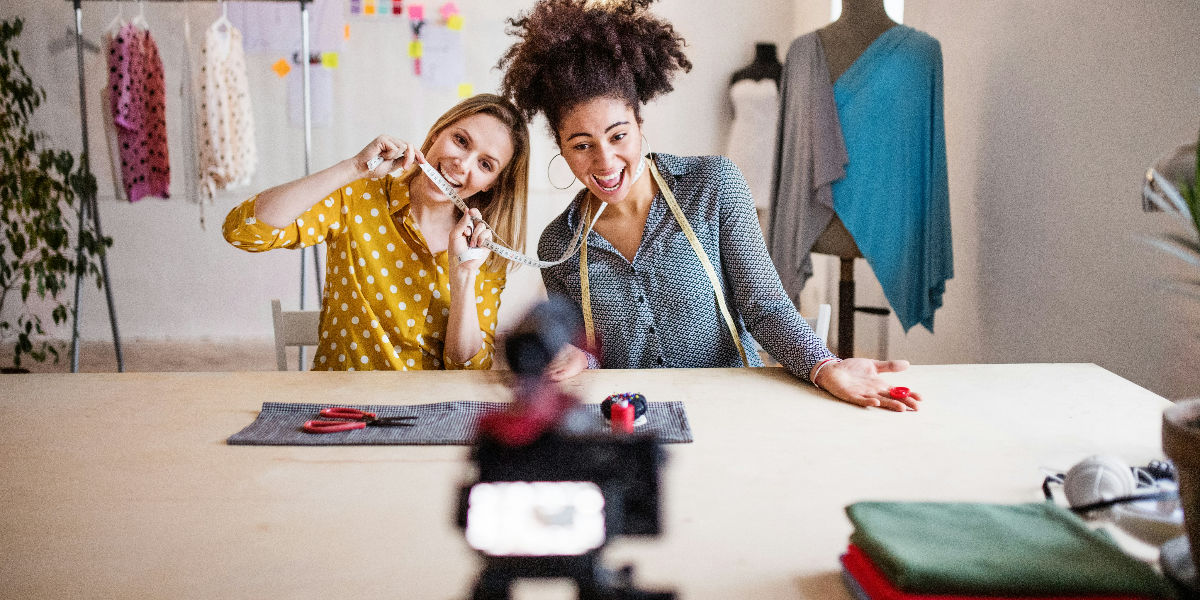
Photo Credit: Unsplash.com
Fashion is one of the most visible expressions of Gen Z aesthetics. Gen Z uses clothing as a form of protest, identity, and art. They often combine thrifted items with bold, experimental pieces, creating looks that challenge traditional fashion norms.
Gender fluidity is another key element. Many Gen Z individuals reject rigid categories, embracing clothing that allows for self‑expression beyond conventional boundaries. This approach reflects broader cultural values of inclusivity and diversity.
Fashion trends also highlight Gen Z’s contradictions. They may advocate for sustainability while experimenting with fast fashion, or pair vintage items with futuristic accessories. These combinations reflect a willingness to embrace complexity rather than conform to a single narrative.
Social Media and Aesthetic Communities
Social media platforms are central to the spread of Gen Z aesthetics. Online communities form around specific styles, from “cottagecore” to “cyber Y2K,” allowing individuals to share inspiration and build collective identities.
These communities thrive on participation. Users don’t just consume content; they remix, reinterpret, and contribute their own variations. This participatory culture reinforces the idea that aesthetics are collaborative and constantly evolving.
The speed of social media also means that aesthetics can rise and fade quickly. What begins as a niche trend can become mainstream within days, only to be replaced by the next wave of visual experimentation.
Cultural and Social Influences
Gen Z aesthetics are shaped by broader cultural and social factors. Issues such as climate change, social justice, and inclusivity influence visual choices, with many young people using aesthetics to signal values and beliefs.
For example, sustainable fashion and eco‑friendly design often feature prominently in Gen Z aesthetics. Visuals that highlight recycling, upcycling, or natural materials resonate with their environmental concerns.
Social movements also influence aesthetics. Visuals tied to activism, diversity, and representation reflect Gen Z’s commitment to inclusivity. These choices demonstrate how aesthetics are not only about style but also about meaning.
The Balance Between Individuality and Trends
While Gen Z values individuality, they also participate in collective trends. This balance allows them to express personal identity while remaining connected to broader cultural conversations.
Trends such as Y2K nostalgia or retro gaming aesthetics provide shared reference points. At the same time, individuals adapt these trends to reflect their own personalities, ensuring that no two interpretations are identical.
This interplay between individuality and community highlights the flexibility of Gen Z aesthetics. It shows how young people can embrace trends without losing their sense of self.
Outlook for Gen Z Aesthetics
Gen Z aesthetics will continue to evolve as technology, culture, and social values shift. The generation’s adaptability ensures that new styles will emerge quickly, reflecting both global influences and personal creativity.
Designers, brands, and cultural observers can expect Gen Z to remain unpredictable yet consistent in their demand for authenticity and inclusivity. These values will likely shape not only aesthetics but also broader cultural and economic trends.
For now, Gen Z aesthetics provide a window into how young people see themselves and the world. They reflect a generation that values honesty, creativity, and connection, expressed through a constantly changing visual language.